
The Science of Fermented Foods: From Kimchi to Kombucha
- Oct 8, 2025
- 2 min read

Fermentation is one of the oldest food preservation techniques in the world — yet today, it’s at the center of modern wellness and culinary innovation. From the spicy crunch of kimchi to the fizzy refreshment of kombucha, fermented foods are winning hearts (and stomachs) around the globe.
But what makes them so special? It’s all about science — specifically, the role of beneficial microbes that transform simple ingredients into nutrient-rich, probiotic-packed superfoods.
1. What Is Fermentation?
Fermentation is a natural process where microorganisms like bacteria and yeast convert sugars into acids, gases, or alcohol. This not only preserves food but also enhances flavor and nutritional value.Foods like kimchi, sauerkraut, miso, yogurt, and kombucha are classic examples — each with unique microbial cultures that give them their distinct taste and health benefits.
2. Health Benefits of Fermented Foods
One of the biggest reasons for the global rise of fermented foods is their impact on gut health. These foods are rich in probiotics — the “good bacteria” that support digestion, immunity, and even mental well-being.Studies also suggest that regular consumption can improve nutrient absorption, reduce inflammation, and support a balanced microbiome — a key to overall health.

3. The Cultural Power of Fermentation
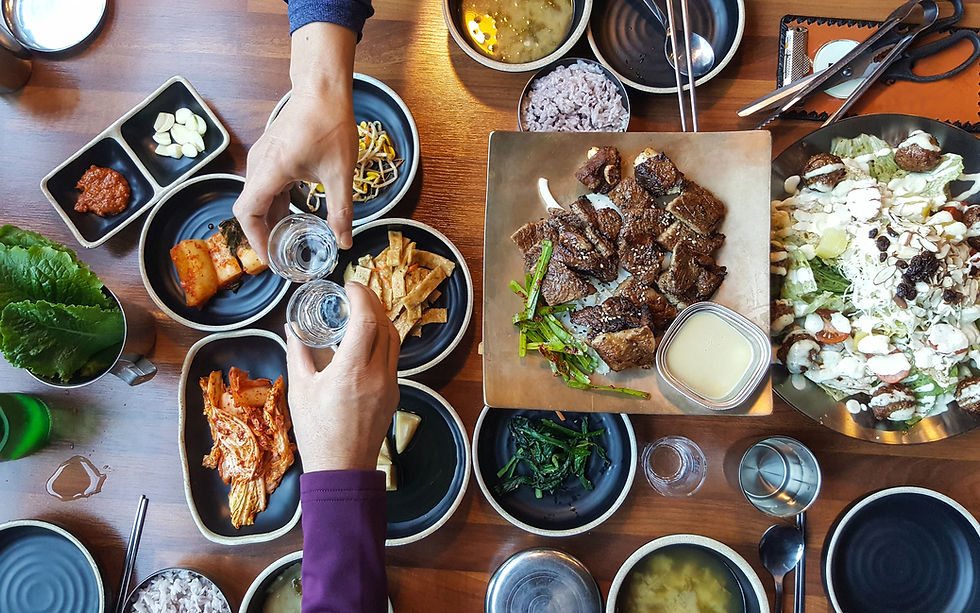
Fermentation has deep roots in many Asian and Latin cuisines. In Korea, kimchi is a national symbol; in Japan, miso and natto are daily staples; and in Latin America, fermented beverages like tepache are enjoying a revival.This cultural heritage shows that fermented foods are not just nutritious — they’re also an essential link between tradition and innovation.
4. The Modern Fermentation Movement
Today’s chefs and food startups are taking fermentation to new heights. From kombucha breweries to vegan cheese made from fermented cashews, the industry is worth billions and growing fast.With sustainability and health awareness on the rise, fermentation is redefining what it means to eat “fresh” — proving that sometimes, the best foods are the ones that have aged a little.
Fermented foods beautifully blend science, culture, and wellness. Whether you’re savoring homemade kimchi or sipping artisanal kombucha, each bite connects you to a global tradition of health and harmony — one that continues to evolve with every bubble and brine.


Comments