
Why Cash Flow Matters More Than Profit in 2026 Business
- 4 days ago
- 2 min read

For decades, profit has been viewed as the ultimate measure of business success. While profitability remains essential, today's economic environment has shifted the conversation. In 2026, Cash Flow is increasingly recognized as the financial indicator that determines whether a business can survive, grow, and respond to unexpected challenges.
A company can report healthy profits on paper while still facing financial difficulties. The reason is simple: profit reflects accounting performance, whereas cash flow represents the actual movement of money in and out of the business. Without sufficient cash available, even profitable companies may struggle to pay suppliers, meet payroll, or invest in future growth.
The business landscape in 2026 continues to present new challenges. Higher operating costs, changing consumer demand, global supply chain adjustments, and economic uncertainty require businesses to remain financially agile. Companies with strong Cash Flow are better positioned to adapt because they have the liquidity needed to respond quickly to changing market conditions.
One of the biggest advantages of maintaining healthy cash flow is operational stability. Timely payments to employees, suppliers, and service providers strengthen business relationships and reduce financial stress. Businesses that consistently manage their cash position are also more likely to avoid unnecessary borrowing and the additional costs associated with high-interest financing. Strong Cash Flow also creates opportunities for growth. Whether investing in new technology, expanding into new markets, hiring additional talent, or launching new products, businesses need readily available capital to move quickly. Companies with healthy liquidity can seize opportunities without waiting for external financing or delaying strategic decisions.
Another important consideration is resilience during unexpected disruptions. Economic slowdowns, delayed customer payments, or unforeseen expenses can affect any organization. Businesses with effective cash flow management are generally better prepared to absorb these shocks while continuing to operate smoothly.
Managing cash flow requires more than simply tracking income and expenses. Business leaders should regularly monitor accounts receivable, control inventory levels, review payment terms with suppliers, forecast future cash requirements, and maintain accurate financial reporting. Small improvements in these areas can have a significant impact on overall financial performance.
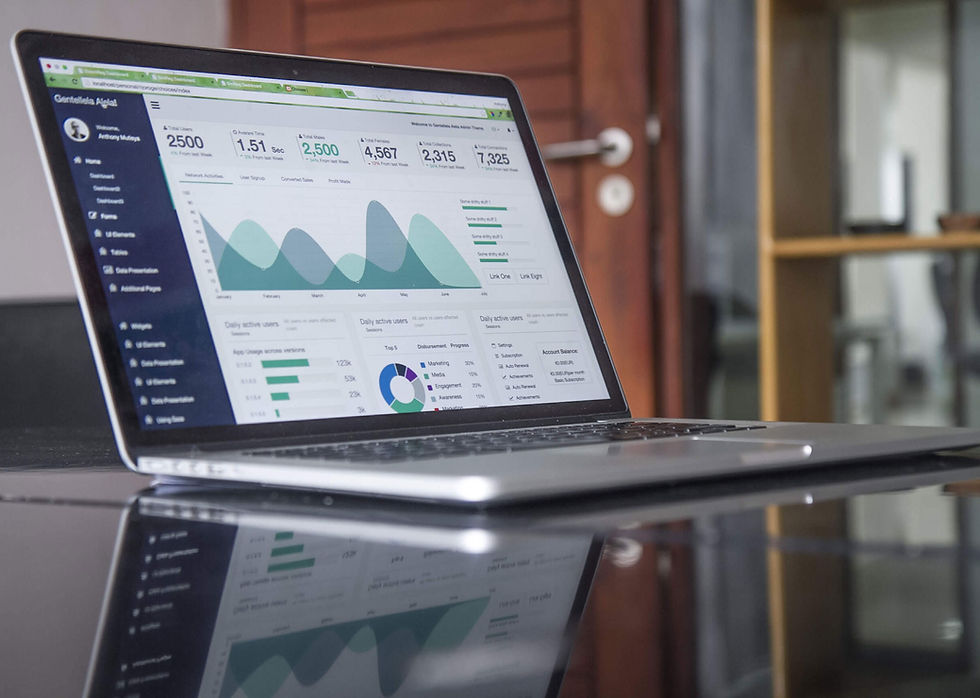
Technology is also transforming the way businesses manage finances. Modern accounting platforms, financial dashboards, and automated reporting tools provide real-time visibility into cash movement, enabling leaders to make faster and more informed decisions. These insights help identify potential cash shortages before they become serious problems. While profit remains an important long-term objective, sustainable businesses understand that profitability alone does not guarantee success. Investors, lenders, and financial advisors increasingly evaluate liquidity alongside earnings because a company with reliable cash flow is often better equipped to navigate changing economic conditions.
For small businesses, medium-sized enterprises, and multinational corporations alike, the lesson is clear: financial strength is built on more than impressive revenue figures. It depends on maintaining enough liquidity to support daily operations while creating room for future investment.
As businesses prepare for the months ahead, reviewing cash flow should become a priority rather than an afterthought. Organizations that actively monitor their financial position, strengthen working capital, and plan for future cash needs will be better positioned to grow with confidence.
In 2026, success is not measured solely by how much profit a business earns. It is measured by how effectively it manages the cash that keeps the business moving forward every single day.


Comments