
UK Social Media Debate Intensifies as Government Seeks Stronger Protections for Young Users
- 1 day ago
- 2 min read

The conversation surrounding UK Social Media regulation has gained momentum as policymakers explore new ways to protect young people from online risks. Growing concerns about harmful content, cyberbullying, and excessive screen time have prompted calls for stronger oversight of digital platforms used by millions of children and teenagers.
Recent discussions about UK Social Media policies focus on creating a safer online environment for younger users. Lawmakers are evaluating whether current regulations are sufficient to address the challenges posed by social media algorithms, targeted content, and the widespread accessibility of online platforms among children.
Supporters of stricter UK Social Media rules argue that technology companies should take greater responsibility for protecting young users. They believe platforms should implement stronger age-verification systems, improve content moderation practices, and provide parents with better tools to monitor online activity.
The debate over UK Social Media safety measures comes at a time when research continues to examine the relationship between social media use and youth mental health. Experts have expressed concerns that exposure to harmful content, online harassment, and unrealistic social comparisons may negatively affect the well-being of some young users.
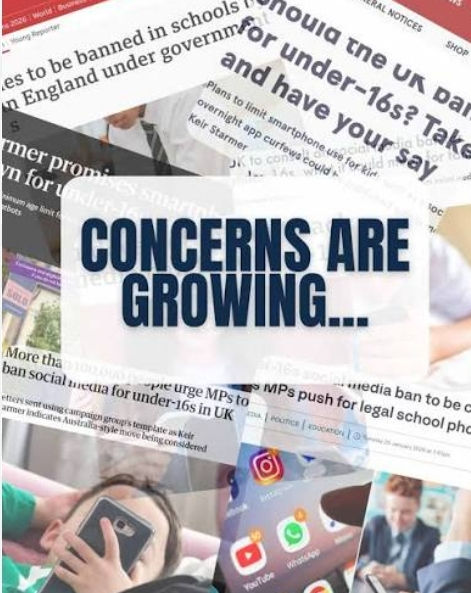
As policymakers discuss the future of UK Social Media regulation, several proposals have emerged. These include stricter penalties for platforms that fail to remove harmful content, enhanced transparency requirements regarding recommendation algorithms, and stronger protections for children's personal data.
The discussion surrounding UK Social Media governance is not unique to the United Kingdom. Countries across Europe, North America, and Asia are also considering new regulations aimed at improving online safety for young people. Governments around the world are seeking a balance between protecting users and preserving freedom of expression.
Technology companies involved in the UK Social Media landscape have stated that they are already investing in safety initiatives. Many platforms have introduced parental controls, reporting mechanisms, and artificial intelligence tools designed to identify potentially harmful content before it reaches users.
Critics of stricter UK Social Media regulation caution that overly restrictive rules could create challenges for innovation and digital communication. Some industry groups argue that effective solutions should involve collaboration between governments, technology companies, educators, and families rather than relying solely on regulation.
The future of UK Social Media policy will likely depend on how lawmakers address competing concerns about safety, privacy, and digital freedom. As public awareness of online risks continues to grow, pressure is increasing on both governments and technology companies to take meaningful action.
Ultimately, the ongoing UK Social Media debate reflects a broader global effort to create safer digital spaces for younger generations. Whether through legislation, platform reforms, or educational initiatives, protecting children online remains a priority for policymakers around the world.


Comments