
Oil Prices Fall Amid Hopes of Lasting Peace Between Iran and Israel
- 13 hours ago
- 2 min read
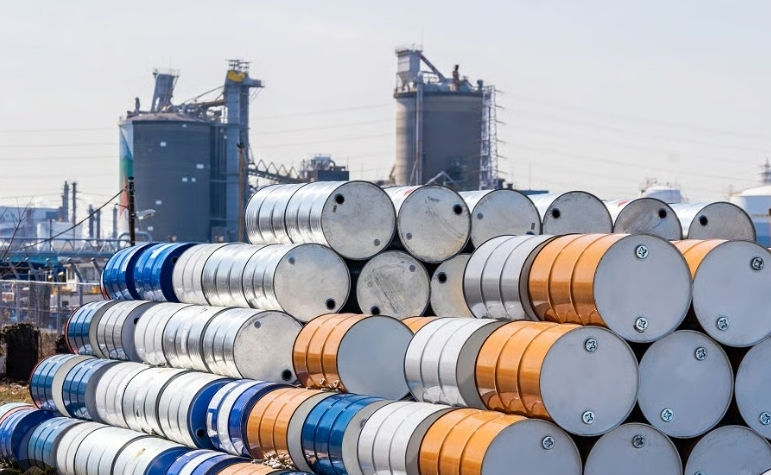
Global oil markets experienced a notable decline as crude oil prices fell following a pause in hostilities between Iran and Israel. The development brought a sense of relief to investors who had been concerned that escalating tensions could disrupt energy supplies from one of the world's most important oil-producing regions.
Brent crude and West Texas Intermediate (WTI) benchmarks both moved lower as traders responded positively to reports of a ceasefire. The easing of geopolitical tensions reduced the immediate risk premium that had been built into oil prices during recent weeks.
The Middle East remains a critical hub for global energy production, with several major oil-exporting nations located in the region. Any conflict involving Iran, a key player in regional geopolitics, has the potential to affect shipping routes, production facilities, and overall market stability. As a result, even temporary pauses in military activity can significantly influence investor sentiment.
Market participants are particularly focused on the Strait of Hormuz, one of the world's most important oil transit chokepoints. A substantial portion of global crude exports passes through this narrow waterway, making stability in the region essential for uninterrupted energy supplies. Concerns over possible disruptions had previously pushed oil prices higher as traders anticipated potential supply shortages.
The latest decline in crude prices reflects growing optimism that the ceasefire could help prevent further escalation. However, analysts caution that uncertainty remains high. Investors are carefully watching diplomatic developments and military activity to determine whether the pause in hostilities can evolve into a more lasting resolution.
Beyond geopolitical factors, oil prices continue to be influenced by broader economic conditions, including global demand forecasts, inflation trends, and central bank policies. While the ceasefire has temporarily reduced supply concerns, market fundamentals will continue to play an important role in determining future price movements.
Energy companies, transportation industries, and consumers around the world often feel the impact of fluctuations in oil prices. Lower crude prices can help ease fuel costs and reduce inflationary pressures, providing some relief for businesses and households alike.
Looking ahead, the direction of oil markets will largely depend on whether the ceasefire between Iran and Israel remains intact. If stability continues, prices may remain under pressure. However, any renewed tensions could quickly reverse recent declines and reignite concerns over global energy security.
For now, markets are cautiously optimistic, welcoming the reduction in immediate geopolitical risks while remaining alert to developments in a region that remains vital to the world's energy supply chain.


Comments