Search Results
THE DAILY PULSE
89 results found for "Politic"
- U.S. Debt Warning Sparks Global Concerns Over Economic Stability
Financial markets are sounding the alarm as the United States’ national debt reaches unprecedented levels, sparking renewed concern among global investors and economists. A recent report by *The Wall Street Journal* highlights growing anxiety over how the expanding debt burden could undermine long-term economic stability—not only in the U.S., but across the global financial system. According to the U.S. Treasury, the national debt has surpassed **\$35 trillion**, fueled by sustained government spending, rising interest payments, and tax revenue shortfalls. Market participants fear that if the trend continues unchecked, it could lead to: Higher borrowing costs for both governments and consumers Reduced investor confidence in U.S. Treasury bonds Weakened dollar strength, impacting global trade Potential credit rating downgrades Economists note that the current debt trajectory is becoming increasingly unsustainable, especially as interest payments alone consume a growing portion of the federal budget. “The rising U.S. debt is no longer just a domestic concern—it poses a risk to global markets,” said an analyst from Morgan Stanley. “If confidence in U.S. fiscal policy erodes, the ripple effects will be felt worldwide.” Despite reassurances from some policymakers, there are calls for urgent reforms, including fiscal discipline, tax code revisions, and entitlement program restructuring to avert a future crisis. Meanwhile, foreign creditors and central banks—especially in Asia and Europe—are closely monitoring developments, as many hold large volumes of U.S. debt. The Wall Street Journal’s report serves as a critical reminder: economic powerhouses are not immune to financial pressure, and addressing debt challenges now is vital to preserving stability in the years to come. _Daily Growth Inisghts
- EU Ukraine Support Debate: €210B Russian Assets for Kyiv's Defense
Some States Hesitate or Oppose the Proposal Opposition to the plan centers on legal, economic, and political
- Germany to Equip Military with Kamikaze Drones in Historic Move
Ukraine have demonstrated the effectiveness of loitering munitions, prompting Germany to reassess its position
- East Asia on Edge: The Geopolitical Stakes of a Taiwan-China Conflict
China’s Position and Strategic Goals For China, Taiwan represents more than just a political issue—it Economic and Political Fallout Should tensions escalate into open conflict, the immediate consequences
- Cultural Festivals as Economic Powerhouses: The Impact on Southeast Asia
authentic cultural experiences, the region’s investment in creative industries and cultural diplomacy is positioning
- The Geopolitics of Semiconductors: Who Will Lead the Future?
Semiconductors: The New Strategic Asset Semiconductors are no longer just a tech component—they’re a strategic resource. Control over their production and innovation means economic power, national security, and technological dominance. This is why the geopolitics to lead the future is increasingly tied to chips. The U.S. vs. Asia: A Battle for Dominance United States: With major players like Intel, NVIDIA, and Qualcomm, the U.S. retains leadership in chip design and advanced R&D. Recent policies, like the CHIPS Act, aim to bring manufacturing back onshore. China: Determined to reduce dependency on foreign technology, China is investing billions in its domestic semiconductor industry. Its push for self-sufficiency is reshaping global supply chains. Taiwan & South Korea: Home to giants like TSMC and Samsung, these nations currently dominate global chip manufacturing. Their central role places them at the heart of global geopolitical tensions. Europe & Japan: These regions are ramping up investments to secure supply chain stability and reduce reliance on Asia. Supply Chain Vulnerabilities The COVID-19 pandemic and geopolitical tensions have exposed how fragile semiconductor supply chains are. Shortages stalled industries worldwide, making governments realize that control over chips is critical for economic resilience. Why Semiconductors Define the Future Semiconductors power: Artificial Intelligence 5G Networks Electric Vehicles & Green Tech Military & Defense Systems Whoever secures leadership in semiconductor technology will not just dominate markets, but also define the geopolitics to lead the future. The battle semiconductor supremacy is shaping global alliances, trade policies, and security strategies. Whether it’s the U.S., China, or a coalition of Asian powerhouses, the race is on to decide who will truly lead the future. #GeopoliticsForBusiness. _ MAY GlobalSolutions
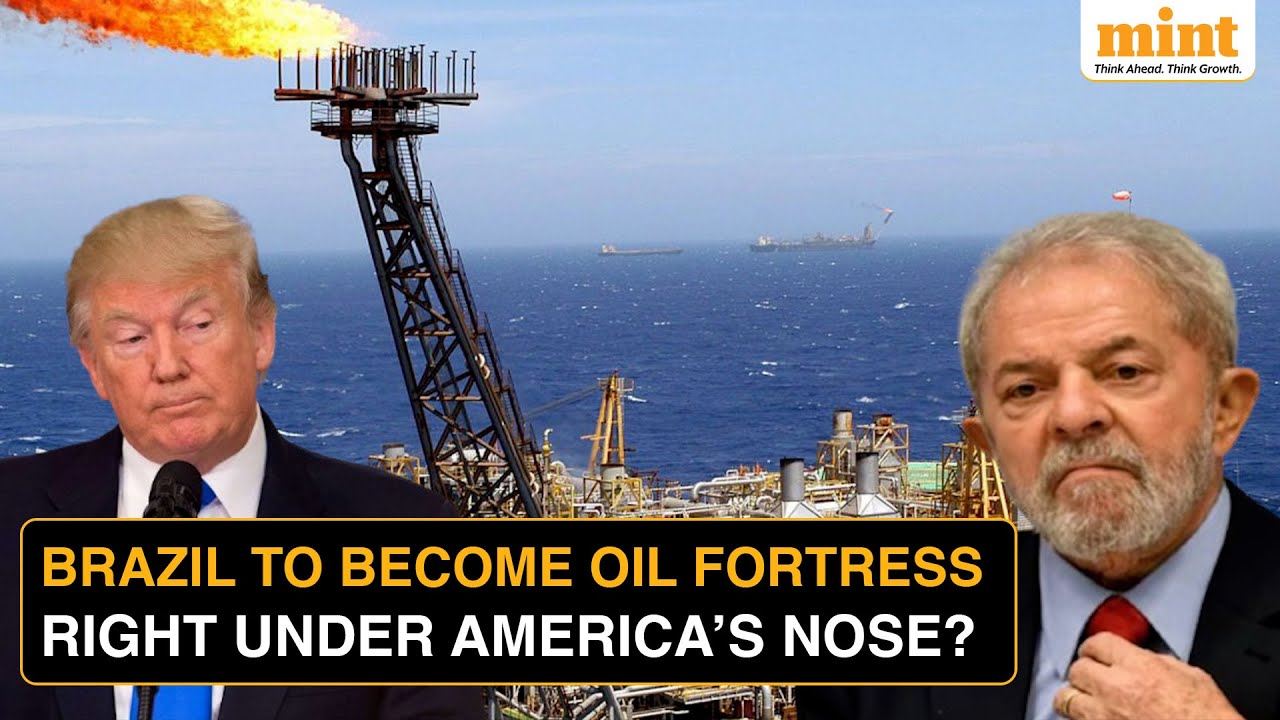
- BP Strikes Biggest Oil & Gas Discovery in 25 Years Off Brazil, Signaling Strategic Return to Fossil Fuels
reserves have increasingly attracted major international energy players, and this latest discovery may position
- Turkey’s ‘Distant Countries’ Strategy Expands Export Horizons Amid Global Slowdown
landscapes shift and emerging markets gain momentum, Turkey’s bold pivot to “distant countries” may position
- Reuters, TRT, Global Times Restored in India After Sudden 24-Hour Block
watchdogs warn that unchecked content restrictions may become more frequent—particularly during times of political
- Hong Kong Tops Asia as Most International City, Overtaking Singapore
HONG KONG – June 29, 2025 – In a tight race for regional prestige, Hong Kong has officially been ranked Asia’s most international city , narrowly surpassing Singapore in the inaugural Asian Cities Internationality Index 2025 . Compiled by the Hong Kong General Chamber of Commerce in collaboration with global research firm Ipsos, the index assessed 11 leading Asian cities across 113 indicators grouped into seven categories: business and economy; quality of life; infrastructure and connectivity; innovation and ideas; human capital diversity; cultural interaction; and business-friendly governance. Hong Kong secured 73.7 points , edging Singapore by just 0.2 points (73.5). The city’s strong performance was driven by its commanding presence in business and economy , reflecting its status as a global financial hub and host of major international events. However, it lagged in innovation and ideas , ranking fourth behind Shanghai, Singapore, and Seoul. Other Notable Rankings: Tokyo came in third, followed by Seoul and Shanghai (5th). Cities such as Bangkok, Kuala Lumpur , and Jakarta also featured in the places 6–10 range, signaling growing diversity in regional global cities. What This Means? Business Advantage : Hong Kong’s lead reflects its strengths in finance, connectivity, and diversity—key drivers in attracting global talent and capital. Areas for Growth : The city needs to boost efforts in innovation and R&D commercialization to maintain its global edge. Regional Dynamics : The close margin with Singapore underscores the competitiveness of Asia’s global hubs and may influence future urban policies and investments. _Daily Growth Insights
- Japan Expands Defense Exports, Supplying Equipment to Thailand and Seven Partners
Tokyo, June 21, 2025 – Japan is significantly broadening its Official Security Assistance (OSA) program in the 2025 fiscal year, extending defense exports to Thailand and seven other nations including East Timor, Indonesia, Malaysia, Papua New Guinea, the Philippines, Sri Lanka, Tonga, and more . Through its OSA initiative—launched in April 2023 and boosted by an ¥8.1 billion ($56 million) budget—Japan provides non-lethal defense equipment such as drones, radar systems, and maritime-surveillance assets. The goal is to support disaster relief capabilities and secure vital sea lanes across the Indo-Pacific . During the Shangri-La Dialogue on June 1, Defense Minister Nakatani and Thailand’s Deputy PM/Defence Minister Phumtham Wechayachai reaffirmed the deepening Japan–Thailand defense partnership, which includes joint exercises like Cobra Gold and growing JSDF presence on Thai soil . The move also reflects a broader shift in Japan’s post-war defense stance. Since 2014’s relaxation of arms export rules and the 2023 increase in OSA funding, Tokyo has been more assertive in expanding its international defense role. Japan is moving toward becoming a proactive security partner, especially amid rising maritime tensions in the region—particularly concerning China’s strategic posture . Analysts believe these developments strengthen Indo-Pacific security architectures by enhancing partner countries’ operational capacity, deterring regional threats, and signaling Japan’s commitment to collective defense. The continuous evolution of Japan’s defense-export policy mirrors its ambitions to reinforce global and regional security partnerships. _Daily Growth Insights
- Canada Unveils G7 Priorities Ahead of Kananaskis Summit: Peace, Energy, and Digital Future Take Center Stage
Canada has officially outlined its key priorities for the upcoming G7 Leaders' Summi t, set to be held June 15–17 in Kananaskis, Alberta . In a comprehensive agenda released today, Prime Minister Justin Trudeau’s government emphasized global peace and security , energy security and digital transition , and sustainable infrastructure investments as the core themes for this year’s dialogue among the world’s leading democracies. This year’s summit arrives at a critical moment, as the international community grapples with geopolitical tensions, climate instability, and growing calls for digital and economic resilience. Canada’s 3 Core Priorities for the G7: 1. Global Peace and Security Canada aims to lead discussions on de-escalating global conflicts—particularly in Ukraine and the Middle East—while enhancing collective strategies to tackle hybrid threats like cyberattacks, disinformation, and terrorism. 2. Energy Security and Digital Transition In response to the global energy crunch and the rise of AI and digital economies, the G7 will explore strategies to secure clean energy supply chains and regulate emerging technologies responsibly. Canada is pushing for stronger cooperation on **AI ethics**, **grid modernization**, and **data protection**. 3. Infrastructure for Shared Prosperity The summit will also promote sustainable infrastructure investments across the Global South. Canada seeks G7 backing for new multilateral financing options to support climate-resilient transport, clean water systems, and broadband expansion in underserved regions. 🇨🇦 Hosting in Kananaskis: Symbolism & Legacy Kananaskis, known for hosting the 2002 G8 Summit, was chosen deliberately to reflect a return to democratic values and nature-driven diplomacy. Enhanced security measures and Indigenous participation will mark the 2025 edition. Trudeau stated, “This G7 is about forging unity in uncertainty. Canada is proud to host a summit focused on stability, innovation, and long-term prosperity. _Daily Growth Insights