Search Results
THE DAILY PULSE
305 results found for "Business"
- May Global Solutions: The Power of Smart Systems in Remote Team Work Solutions
For businesses expanding across borders, the message is clear: ✅ Invest in smart systems.
- Global Real Estate: How Remote Work is Changing Urban Development
From Skyscrapers to Suburbs Before remote work, proximity to central business districts was everything
- Political Branding: How Leaders Market Themselves Like Influencers
Politics is no longer confined to speeches, rallies, and press conferences. In the age of social media, political influence is built on visibility, relatability, and branding—much like that of online influencers. Today’s politicians aren’t just leaders; they are brands . The rise of Leaders Like Influencers marks a fundamental shift in how power is communicated and perceived. The Birth of the Political Brand In the past, political messaging was largely top-down—leaders spoke, citizens listened. But platforms like Instagram, X (formerly Twitter), YouTube, and TikTok have democratized communication. Voters now expect authenticity, instant updates, and emotional connection. Politicians have adapted, crafting personal brands that mirror the influencer model: approachable, consistent, and visually engaging. From campaign logos and slogans to curated social media posts, every element contributes to a leader’s “brand identity.” Their personality, values, and even lifestyle choices become strategic assets designed to resonate with target audiences. From Speeches to Stories Influencers thrive on storytelling—and so do modern political leaders. Instead of focusing solely on policies, leaders share personal moments, behind-the-scenes glimpses, and emotional narratives that humanize them. The shift from scripted speeches to authentic storytelling creates Leaders Like Influencers who connect emotionally, not just intellectually. For instance, sharing a morning routine, family photo, or casual conversation with followers can make a leader seem more relatable and trustworthy. It’s not just about what they stand for but how they make people feel. The Power of Engagement Traditional political communication was one-way; now it’s conversational. Social media allows politicians to interact directly with supporters, critics, and undecided voters in real time. Comment replies, livestream Q&As, and polls create the illusion of proximity and participation—a sense that leaders are listening. This engagement strategy mirrors influencer marketing, where connection equals loyalty. A well-crafted online persona can strengthen political support as effectively as campaign funding or media exposure. Risks of the Influencer Model While the rise of Leaders Like Influencers offers opportunities for transparency and engagement, it also brings risks. The focus on image over substance can reduce complex political issues to viral sound bites. Leaders may prioritize popularity metrics—likes, shares, followers—over long-term governance. Moreover, the blending of entertainment and politics can blur ethical boundaries, making it harder for citizens to distinguish between charisma and competence. The Future of Political Branding As technology continues to shape public discourse, the influencer model of leadership is here to stay. Political campaigns now rely heavily on data analytics, content strategy, and personal branding. Leaders who understand digital culture can inspire movements that transcend geography and ideology. The next generation of politicians will need to balance authenticity with accountability, ensuring that their personal brands serve the public good rather than personal gain. The evolution of Leaders Like Influencers reflects a broader truth about our times: influence is the new currency of power. Political success now depends on mastering the art of connection, storytelling, and authenticity. In this new era, leaders don’t just lead—they engage, inspire, and market themselves to the world. #LeasdersLikeInfluencers _ Daily Growth Insights
- Indonesia’s Furniture Industry: A Thriving Market Set to Hit $7.97 Billion by 2025
The Indonesian furniture market has become one of the most dynamic and rapidly growing sectors in the country’s economy. With an increasing demand for high-quality, affordable, and versatile furniture, the market is poised for significant growth in the coming years. According to market research, the furniture industry in Indonesia is projected to reach a market size of approximately USD 7.97 billion by 2025, growing at a compound annual growth rate (CAGR) of 6.46%. This growth trajectory points towards a robust future for the industry, with the market expected to reach approximately USD 10.90 billion by 2030. Key Factors Driving Growth Several factors contribute to the impressive growth forecast for the Indonesian furniture market in 2025: Rising Urbanization Indonesia is experiencing rapid urbanization, with an increasing number of people moving to cities for better employment opportunities and living standards. This shift has led to a growing demand for modern, space-efficient, and functional furniture that caters to the needs of smaller urban apartments and homes. Furniture that maximizes utility and fits into compact spaces, such as multi-purpose furniture and modular designs, has become increasingly popular among urban dwellers. Growing Middle-Class Population The expansion of Indonesia’s middle class is another significant factor driving the demand for furniture. As disposable incomes rise, more consumers are seeking quality home furnishings that offer both aesthetics and functionality. This has created a large market for mid-range to premium furniture products, with consumers willing to invest in items that enhance their home living experience. Strong Domestic Production and Export Potential Indonesia’s furniture industry benefits from its access to abundant natural resources, particularly teak and rattan, which are in high demand both domestically and internationally. The country’s traditional craftsmanship, especially in regions like Jepara, has earned a reputation for producing high-quality wood and hand-crafted furniture. These materials, combined with skilled artisans, contribute to Indonesia’s ability to manufacture furniture that is both beautiful and durable, making it a competitive player in the global market. Digital Transformation and E-Commerce Growth The rise of e-commerce has provided Indonesian furniture brands with new avenues for growth. More consumers are now shopping online, where they can access a wider variety of furniture styles and brands, often at competitive prices. The convenience of online shopping, coupled with the ability to compare prices and read customer reviews, has made e-commerce platforms a preferred method for purchasing furniture. As e-commerce continues to thrive, many Indonesian furniture brands are adopting digital strategies to reach a broader audience and optimize their supply chains. Export Opportunities Indonesia is one of the largest exporters of furniture in Southeast Asia. In 2022, the country’s furniture exports were valued at approximately USD 2.9 billion. With a focus on expanding the global reach of Indonesian-made furniture, the government and industry players aim to increase this figure to USD 5 billion by 2024. Key export markets include the United States, Japan, and the United Kingdom, where demand for high-quality and sustainably sourced furniture is on the rise. This export potential presents a substantial growth opportunity for the Indonesian furniture sector. Challenges and Opportunities Despite its growth prospects, the Indonesian furniture industry faces several challenges, including competition from other Southeast Asian countries like Vietnam and China, rising raw material costs, and fluctuating labor costs. However, these challenges also present opportunities for innovation and differentiation. Indonesian manufacturers can capitalize on the demand for eco-friendly and sustainable furniture, as consumers globally are becoming more conscious of environmental issues. The ability to blend traditional craftsmanship with modern design and materials will also be crucial in setting Indonesian furniture apart in an increasingly competitive market. By focusing on design innovation and quality craftsmanship, Indonesian manufacturers can strengthen their position both domestically and in international markets. The Indonesian furniture market is set to experience impressive growth in the next few years, driven by urbanization, rising disposable incomes, and a growing demand for functional, stylish, and sustainable furniture. With a projected market size of USD 7.97 billion by 2025, the Indonesian furniture industry is well-positioned to continue its upward trajectory, both domestically and as a key player in global markets. As the sector evolves, embracing digital transformation, sustainable practices, and product innovation will be key to maintaining its competitive edge and unlocking further growth potential.
- Talent Acquisition Reinvented: How May Global Solutions Connects Businesses to Southeast Asia’s Best Remote Talent
Businesses across Australia, Europe, and the US are rapidly shifting to remote hiring—not just to cut Cost-Efficient Hiring Without Compromising Quality Businesses save up to 60–70% on labor costs while Customized Talent Matching MGS studies your business, workflow, and goals to match you with the right Businesses around the world continue choosing Southeast Asian talent through MGS because they receive With a reliable remote workforce, businesses gain more time, more output, and stronger operations.
- Food for the Future: Lab-Grown Meat and Ethical Eating
The global food industry is undergoing a quiet revolution — and it’s happening inside a lab. As the demand for sustainable protein sources rises, lab-grown meat is emerging as one of the most promising alternatives to traditional animal farming. Also known as cultivated meat , it’s created by cultivating animal cells in controlled environments rather than raising and slaughtering livestock. This scientific breakthrough could redefine what “meat” means — both ethically and environmentally. 1. What Is Lab-Grown Meat? Lab-grown meat begins with a small sample of animal cells, which are then nurtured in nutrient-rich bioreactors. The cells multiply and form muscle tissue that mirrors real meat — in texture, taste, and nutritional profile. Unlike plant-based alternatives, cultivated meat is biologically identical to conventional meat but without the environmental impact or ethical concerns associated with factory farming. 2. Why It Matters: Sustainability and Ethics The meat industry accounts for nearly 15% of global greenhouse gas emissions , according to the FAO. Lab-grown meat offers a way to reduce carbon footprints, water use, and land degradation while meeting the growing global demand for protein. Ethically, it addresses concerns about animal welfare. By eliminating the need for mass slaughter, lab-grown meat aligns with the rising consumer interest in cruelty-free and eco-conscious eating habits. 3. The Global Race Toward Cultivated Protein Startups like Upside Foods (U.S.), Eat Just (Singapore), and Aleph Farms (Israel) are leading the way, while governments in Asia and Europe are investing heavily in R&D. Singapore became the first country to approve lab-grown meat for commercial sale in 2020, setting a global precedent. Major food corporations are also entering the scene, signaling that the future of protein may soon shift from farms to factories. 4. Challenges Ahead While promising, lab-grown meat still faces hurdles — high production costs, regulatory barriers, and consumer acceptance. Scaling up to meet mass-market demand will require technological advances and policy support to make it accessible and affordable. However, as innovation accelerates, costs are dropping rapidly. Industry experts predict that by 2030, cultivated meat could reach price parity with conventional meat, revolutionizing the food economy. Lab-grown meat represents more than a scientific milestone — it’s a moral and environmental movement. As technology evolves, the question isn’t if it will become mainstream, but when . For a planet balancing sustainability with human appetite, this could be the future of ethical eating — one cell at a time. #LabGrownMeat _ Daily Growth Insights
- India’s Digital Payment Revolution Explained
Impact on Businesses and Consumers For small businesses, India digital payment platforms lowered barriers
- Why UK Fish and Chip Shops Are Struggling to Survive
Communities would not only lose local businesses but also part of their cultural fabric.
- Turkish Tea Goes Global: New Opportunities and Export Insights
Exporting Turkish Tea Globally: A Practical Guide for Businesses Turkish tea , especially from Rize province
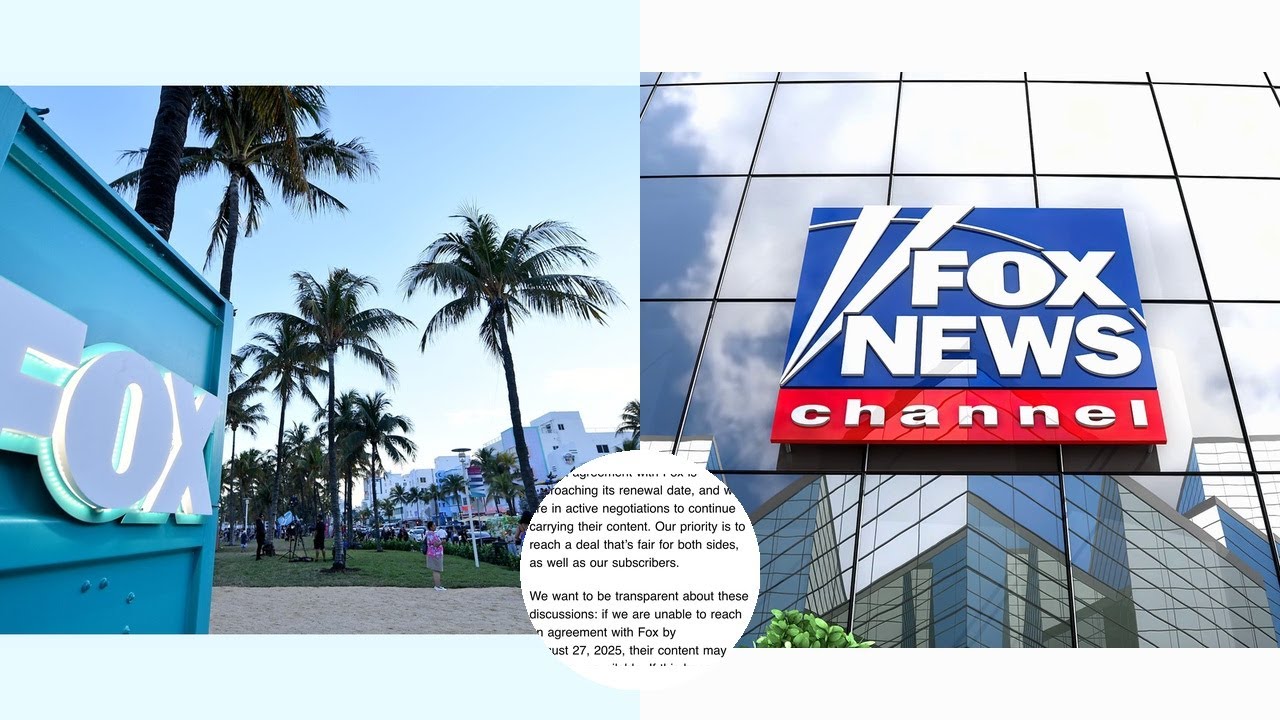
- Fox Channels at Risk of Blackout on YouTube TV Over Payment Dispute
Fox vs. YouTube TV: What’s Happening? " Subscribers to YouTube TV may soon lose access to Fox Channels as a payment dispute between the two companies escalates. If no resolution is reached by Wednesday, Fox programming—including sports, entertainment, and news—could be pulled from the streaming platform". The Dispute Explained _ At the heart of the conflict are carriage fees—the payments streaming providers make to broadcasters for carrying their content. Fox argues that its channels deserve higher fees due to strong demand, particularly for live sports, while YouTube TV has resisted, citing the need to keep subscription costs affordable for users. Impact on Viewers _ The potential blackout of Fox Channels could disrupt millions of subscribers who rely on YouTube TV for live sports events, Fox News, and popular entertainment shows. Customers have expressed concern on social media, pressuring both companies to reach a deal quickly. What’s Next? Negotiations are ongoing, but if an agreement isn’t reached soon, YouTube TV subscribers may need to explore alternative options to access Fox Channels . Past disputes of this nature have been resolved at the last minute, but uncertainty remains high as the deadline approaches. #FoxChannelsDispute _ Daily Growth Insights
- Vietnam Financial Center - Danang’s Rise as a Regional Fintech and Green Finance Hub
Danang , one of Vietnam’s fastest-growing cities, is positioning itself as a new international financial center , with a strong focus on fintech innovation and green finance . Backed by government initiatives and strategic planning, the upcoming Danang International Financial Center aims to attract global investors and compete with major financial hubs across Asia. The project emphasizes sustainable finance —a rising trend as governments and corporations worldwide transition toward environmentally responsible investment strategies. By integrating green finance frameworks and digital financial services , Danang seeks to establish itself as a pioneer in eco-friendly and tech-driven financial ecosystems. Vietnam’s economy has been one of Southeast Asia’s fastest-growing, and Danang’s development into a financial hub reflects the country’s ambition to diversify beyond manufacturing and tourism . The city already benefits from its prime location, advanced infrastructure, and young, tech-savvy workforce. These strengths make it an ideal location for fintech companies, digital banks, and investment funds looking to expand in the region. With ongoing construction and international interest, the Danang International Financial Center is expected to not only elevate Vietnam’s role in global finance but also attract sustainable investments that align with climate-friendly goals. If successful, Danang could become a regional powerhouse for fintech and green finance , complementing established hubs like Singapore and Hong Kong. _ Daily Growth Insights
- Update on Global Change Beyond Asia – Power Shifts and Economic Transitions in 2025
In a rapidly shifting global landscape, the influence of regions Beyond Asia is growing more pronounced. While Asia continues to play a central role in trade, technology, and geopolitics, 2025 is witnessing a broader redistribution of power, innovation, and climate leadership across continents. From Africa's rise in renewable energy to Latin America's assertive economic strategies, change is unfolding far beyond traditional power centers. This article provides a timely update on how the world is evolving Beyond Asia , offering key insights into the future of global governance, economy, and diplomacy. "Power Shifts in a Multipolar World" In 2025, the world is no longer dominated by a unipolar or even bipolar system — Beyond Asia , new power centers are emerging in Africa, Latin America, and parts of Europe. While the U.S. and China remain central actors, countries like Brazil, Nigeria, and Turkey are increasingly asserting global influence through trade alliances, green energy investments, and regional security initiatives. Beyond Asia’s traditional focus on East-West dynamics, this broader geopolitical recalibration is creating opportunities—and tensions—across new fault lines. "Global Economic Realignment" Beyond Asia , economic momentum is being rebalanced as inflation eases in the West but surges in resource-rich developing nations. The IMF recently projected that emerging markets outside Asia will grow at 3.8% in 2025 , compared to 2.5% in developed economies. Meanwhile, Asia remains a key manufacturing and tech hub, but Beyond Asia , reshoring efforts and nearshoring policies are gaining pace in the Americas and Eastern Europe—reshaping global supply chains. Global GDP Growth Forecasts (2025) - Beyond Asia Region Projected Growth Key Driver Southeast Asia 4.7% Tech exports, tourism Sub-Saharan Africa 4.2% Renewable energy Latin America 3.5% Agritech, mining North America 2.4% Manufacturing reshoring Europe 1.9% Green policy transitions "Climate Leadership Beyond Asia" As climate disasters escalate globally , leadership Beyond Asia is diversifying. While Asian countries like Japan and South Korea invest heavily in carbon capture and green hydrogen, nations beyond Asia , including Chile, Denmark, and Kenya, are becoming climate tech trailblazers. Notably, Denmark now sources 76% of its electricity from renewables , and Kenya has launched Africa's first geothermal-powered data center. These shifts Beyond Asia are creating new models of climate resilience and decentralized clean tech solutions. "Tech and AI Innovation Expanding Globally" Tech advancement isn’t confined to Silicon Valley or Shenzhen anymore. Beyond Asia , AI and biotech ecosystems are rising in cities like Toronto, Tel Aviv, Nairobi, and São Paulo. With regulatory frameworks still catching up, Beyond Asia is seeing experimentation in open-source AI , digital identity , and blockchain voting systems . India remains a tech leader in Asia, but Beyond Asia’s decentralization of innovation is driving unexpected collaborations and cross-border tech diplomacy. "Diplomacy and the Future of Global Governance" In this evolving world, Beyond Asia , diplomacy is shifting toward inclusive multilateralism. Organizations like BRICS+ and the African Union are increasingly pushing for expanded representation in global institutions like the UN and IMF. Meanwhile, Asia’s voice remains powerful, but the growing activism Beyond Asia—from indigenous leaders in Latin America to women-led policy shifts in Scandinavia—signals a future global order rooted in shared governance and decentralized leadership. _ Daily Growth Insights