Search Results
THE DAILY PULSE
305 results found for "Business"
- ProPak Asia 2025: Forging Carbon-Neutral Pathways in Processing and Packaging
ProPak Asia 2025 , Asia's premier trade event for the processing and packaging industry, is poised to make a significant impact with its focus on sustainability. Scheduled from June 11–14 at BITEC Bangkok, the event adopts the theme "Carbon-Neutral Pathways to a Sustainable Processing and Packaging Ecosystem," reflecting the industry's commitment to environmental responsibility. The 32nd edition of ProPak Asia emphasizes actionable strategies for achieving carbon neutrality in processing and packaging. The event aims to transition from aspirational goals to tangible frameworks that foster a truly sustainable ecosystem. Key Highlights and Features Future Food Corner: A platform exploring the integration of manufacturing and packaging technologies to shape the future of food systems. Lab & Test Theater: Showcasing advancements in laboratory technology, quality control, and testing methodologies. Packaging Design Clinic: Offering consultations on brand building, material selection, design aesthetics, and cost strategies for SMEs. Packaging Showcase: Featuring award-winning packaging solutions recognized by ThaiStar, AsiaStar, and WorldStar awards. Design Box: Highlighting innovative packaging designs by renowned designers like Somchana Kangwarnjit. AIP & PIDA Showcase: Presenting exemplary Australasian packaging achievements, focusing on eco-friendly materials and creative solutions. ProPak Asia 2025 is not only about showcasing innovations but also about implementing sustainable practices within the event itself: Digital Transformation: The event has adopted digital ticketing and e-badges to minimize paper usage. Eco-Friendly Booth Standards: Exhibitors are encouraged to design reusable structures and utilize energy-efficient lighting. Waste Reduction Initiatives: Attendees are urged to reduce waste by using reusable cups and minimizing packaging waste. Carbon Offsetting: Participants have the option to offset their travel emissions, contributing to the event's goal of becoming carbon neutral. ProPak Asia 2025 will host a series of seminars and forums, including the Global Packaging Forum and executive talks on future industry trends and sustainability. These sessions aim to foster collaboration and knowledge exchange among industry leaders and stakeholders. ProPak Asia 2025 stands as a testament to the industry's dedication to sustainability, offering a platform for innovation, collaboration, and actionable solutions towards a carbon-neutral future in processing and packaging. _Daily Growth Insights
- How May Global Solutions Provides Software Management Tools That Boost Efficiency
Businesses today juggle multiple apps, manage remote teams, and handle increasing workloads, all while MGS provides modern businesses with software management systems , automation tools, and expert support Tailored Systems for Any Industry MGS understands that every business has different needs. Simplifying Business Operations Through Smart Software Management Many businesses still rely on outdated Tailored Solutions for Every Type of Business No two businesses operate the same way.
- Bill Gates Unveils $200 Billion Philanthropy Push to Combat Global Health Crises
Bill Gates, co-founder of Microsoft and one of the world’s most influential philanthropists, has announced an ambitious new initiative: a \$200 billion donation plan over the next 20 years to combat some of the planet's most pressing issues. These include poverty, malnutrition, polio, and HIV—challenges Gates has long been dedicated to eradicating. The funds will be distributed through the Bill & Melinda Gates Foundation, which Gates co-chairs with his former wife, Melinda French Gates. The foundation, already one of the largest philanthropic organizations in the world, will double its annual spending , ramping up efforts in the global health and development sectors. What makes this announcement particularly significant is Gates' decision to accelerate his giving timeline . He aims to donate 99% of his wealth and has now set an official closure date for the foundation: 2045 . This move is designed to ensure a concentrated and impactful deployment of resources while preserving the foundation’s ability to address evolving global health needs. Speaking about the urgency of the plan, Gates cited a decline in international development aid from governments and the growing gaps in global health funding. “With less public investment in global crises, it's critical for philanthropy to step in and be bold,” he said. This announcement marks a new era of high-impact philanthropy, where strategic and time-bound giving replaces perpetual endowments. The global development community has largely welcomed the move, praising Gates for both his financial commitment and his push for long-term accountability. _Daily Growth Insights
- 🌏 Asia Calling: 5 Best Countries to Expand Your European Business in 2025
seek fresh markets, lower production costs, and tech-savvy consumers, Asia emerges as the ultimate business Here are five of the most promising Asian countries for European businesses looking to expand this year—each - Fastest-growing economy in ASEAN - Business-friendly reforms - Strong demand for foreign expertise United Arab Emirates: Your Cross-Continental Business Hub Though geographically in the Middle East, the UAE (especially **Dubai**) functions as a business gateway to Asia, Africa, and beyond.
- Japan Pushes China to Lift Seafood Import Ban
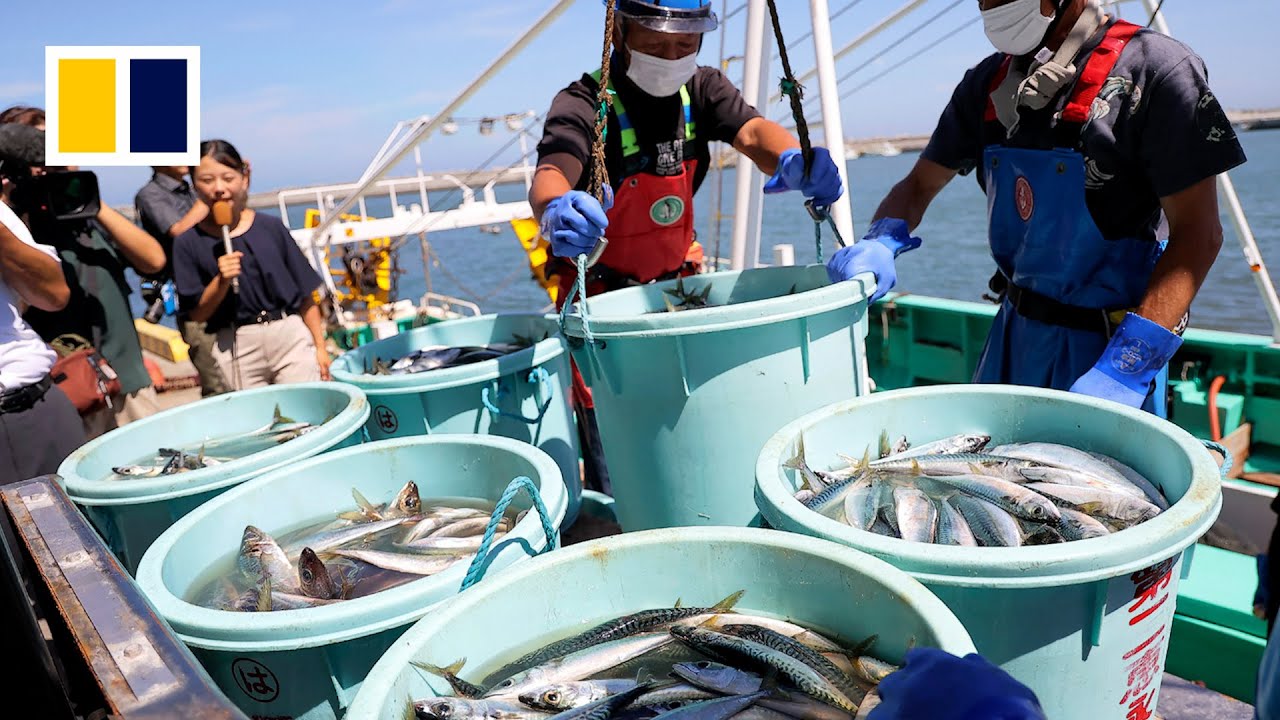
"Diplomatic Efforts Aim to Reopen a Vital Trade Channel" In a notable display of bipartisan unity, a delegation of Japanese lawmakers traveled to Beijing this week to meet with China’s top legislator, Zhao Leji, appealing for the removal of the ongoing ban on Japanese seafood imports. The meeting marks a critical moment in diplomatic relations, as both countries attempt to navigate the tensions surrounding environmental concerns and trade policy. China implemented the seafood import ban in response to Japan’s controversial decision to release treated radioactive water from the Fukushima nuclear plant into the Pacific Ocean—a move that sparked concern and criticism from neighboring countries, particularly China. Beijing cited health and environmental safety as the primary reasons for halting all imports of Japanese marine products. Since then, Japan’s seafood industry has suffered significant financial setbacks, with exporters losing one of their largest international markets. The Japanese government has maintained that the discharge meets international safety standards, backed by the International Atomic Energy Agency (IAEA), and continues to push for scientific dialogue and diplomatic solutions. Bipartisan Outreach for Reconciliation The Japanese lawmakers, representing both ruling and opposition parties, emphasized during the meeting that seafood from Japan is safe and rigorously tested. They also highlighted the economic and cultural importance of marine trade between the two countries, noting how the ban has disrupted decades of cooperative commerce. Zhao Leji, Chairman of the National People’s Congress Standing Committee, responded by acknowledging the concern while reiterating China’s commitment to food safety and public health. While no immediate resolution was announced, the meeting is seen as a positive step toward reopening dialogue and possibly reconsidering the ban under new inspections or agreements. Economic and Diplomatic Implications The seafood ban has strained Japan-China relations at a time when both countries are trying to stabilize their economic ties. Japan is pushing to reduce dependency on Chinese supply chains, while China continues to assert its regional influence. Analysts believe resolving the seafood issue could pave the way for broader trade cooperation and renewed trust. While it remains unclear whether China will lift the ban in the short term, the renewed diplomatic effort indicates a willingness from both sides to engage. As global geopolitical tensions evolve, bilateral discussions like this could serve as models for peaceful conflict resolution and mutual economic benefit. --- ### **SEO Meta Description** Would you like a carousel or infographic version for Instagram or LinkedIn as well?
- The New Skills Global Leaders Need — And How to Educate Yourself for the Future
Leaders must know how to navigate communication styles, values, and business etiquette across regions
- The Science of Motivation: How to Stay Driven in Q4
Teams are pushing to meet annual goals, businesses are closing final deals, and individuals are striving Whether you’re closing a business deal or completing a quarterly project, reconnect your actions to a Research from Harvard Business Review shows that productivity peaks when people align important work
- Go VYRAL Agency Trends Watch: What’s Next in Social Media Marketing
At Go VYRAL Agency , we’ve helped creators and businesses craft storytelling-driven videos that build Go VYRAL helps clients integrate in-app sales funnels with storytelling—making the buying experience
- India, UAE, and Sri Lanka Unite: The Energy Alliance Reshaping Regional Influence
India and the United Arab Emirates (UAE) have entered into a strategic partnership with Sri Lanka to develop an energy hub in Trincomalee. This tripartite agreement, formalized during Indian Prime Minister Narendra Modi's visit to Colombo, underscores India's proactive approach to strengthening its influence in South Asia and balancing China's growing presence in the region. Trincomalee, located on Sri Lanka's northeastern coast, is renowned for its deep-water port and strategic maritime position along vital Indian Ocean trade routes. The development of an energy hub in this area is poised to enhance regional energy security and stimulate economic growth. The project encompasses the construction of a multi-product pipeline and the potential utilization of an existing World War II-era oil tank farm, partially managed by the Sri Lankan subsidiary of Indian Oil Corporation. India's involvement in the Trincomalee project reflects its commitment to bolstering regional partnerships and countering China's expanding influence in South Asia. China has been a significant player in Sri Lanka's infrastructure development, notably through projects like the $3.2 billion oil refinery in Hambantota. citeturn0news14 By collaborating with the UAE and Sri Lanka, India aims to establish a robust presence in the region, promoting mutual economic interests and regional stability. The UAE's participation highlights its growing interest in South Asian energy markets and its commitment to diversifying its investment portfolio. This collaboration is expected to leverage the UAE's expertise in energy infrastructure, contributing to the project's success and fostering stronger trilateral relations. In addition to the Trincomalee energy hub, Prime Minister Modi inaugurated a 120-megawatt solar power project in Sri Lanka's eastern region. This initiative aligns with Sri Lanka's efforts to transition from fossil fuels, especially in the aftermath of the 2022 power crisis. Furthermore, discussions are underway for a high-voltage direct current interconnection to facilitate power exchange between India and Sri Lanka, enhancing energy cooperation and grid connectivity. Sri Lanka's engagement with India and the UAE comes at a crucial time as the nation seeks to recover from its 2022 financial crisis. Collaborations of this nature are vital for economic revitalization and demonstrate Sri Lanka's intent to diversify its international partnerships. However, these developments have elicited mixed reactions domestically, with some citizens expressing concerns over national sovereignty and the influence of foreign powers. The tripartite agreement between India, the UAE, and Sri Lanka to develop an energy hub in Trincomalee signifies a strategic move to enhance regional energy security and economic cooperation. This initiative not only reflects India's efforts to balance geopolitical dynamics in South Asia but also underscores the importance of collaborative development in fostering regional stability and prosperity.
- Economic Influences: Powell Signals September Rate Cut at Jackson Hole
Impact on Investors and Businesses - A rate cut could lower borrowing costs, supporting corporate investments
- Global Markets Drop Ahead of Jackson Hole Symposium
Global Markets took a hit on August 20, with sharp declines across Asia led by Taiwan and South Korea’s tech-heavy exchanges. The sell-off underscores growing investor caution ahead of the Federal Reserve’s Jackson Hole symposium, where monetary policy guidance could reshape market sentiment. The Global Markets downturn was triggered by weaker demand forecasts from major chipmakers, which rattled investor confidence in the tech sector. Taiwan’s stock index dropped by over 2%, while South Korea’s KOSPI slid to a two-month low, amplifying concerns of a broader slowdown in semiconductor demand. Wall Street also remains on edge as Global Markets digest the possibility of continued high interest rates. Fed Chair Jerome Powell is set to deliver remarks at Jackson Hole (August 21–23), where his outlook on inflation and labor markets could determine whether the U.S. economy faces further monetary tightening. Beyond Asia, European equities mirrored the retreat in Global Markets , with major indices sliding due to fears of weaker corporate earnings. Energy prices remained volatile, further clouding investor confidence. Traders are also tracking geopolitical risks that could add pressure to global supply chains. Looking ahead, analysts warn that Powell’s tone at Jackson Hole may dictate whether the recent Global Markets turbulence deepens or stabilizes. A more dovish stance could ease pressure on equities, while hawkish signals may drive further sell-offs in tech and emerging markets. _ Daily Growth Insights
- Smart Finance for Startup Success: How to Define Metrics That Drive Growth
Starting a business is exciting — but without the right financial metrics, even the most innovative startup Here’s how to define — and track — the key finance metrics for startup businesses that truly matter. Cash Flow: The Lifeblood of Your Business Cash flow tells you how money moves in and out of your business Value (CLV): The Long-Term View CLV helps you understand how much profit one customer brings to your business Average Purchase Value × Purchase Frequency × Average Customer Lifespan When CLV exceeds CAC, your business